While sitting at a campfire, do not become overly concerned. Chances are that you and your baby will be fine. However, if you are exposed to smoke for an extended period, the toxins may be harmful. A day-long wildfire near your home can also pose a danger to you and your unborn baby.
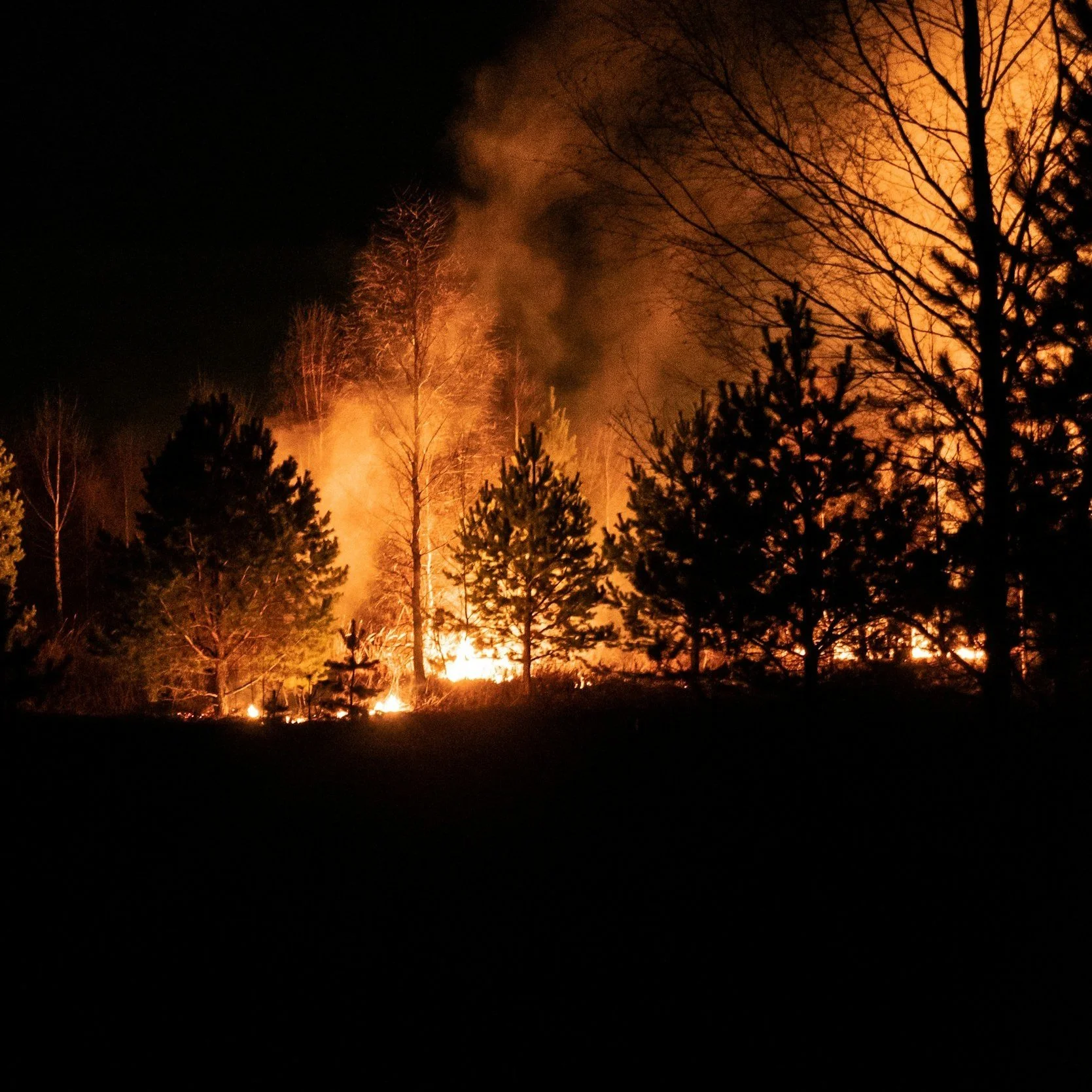
Wildfire smoke is generally dangerous for everyone, but it is specifically hazardous during pregnancy. If you have other health issues such as a lung or heart condition, this may be particularly damaging. Studies have shown that smoke inhalation during pregnancy could increase the risk of preterm birth, low birth weight infants, gestational diabetes, hypertension, and various respiratory problems.1
Preparing for wildfires during pregnancy:
If you happen to live in a wildfire-prone area, you may need to plan before the season starts to minimize your exposure:
Pack an evacuation bag: If you need to leave home, have a bag with clothes, copies of your medical documents and insurance, 10 10-day supply of medications and/or prenatal vitamins.
Know where to get care in an emergency: Ask your midwife or doctor where you can go for maternity care/delivery if your local clinic or hospital is closed due to a wildfire.
Buy food that doesn't require cooking: If the air outside becomes smoky, you won’t want to open the windows. Smoke from frying or grilling food inside your home can make the air dangerous to breathe, too. Have groceries and canned goods available for non-cook meals.
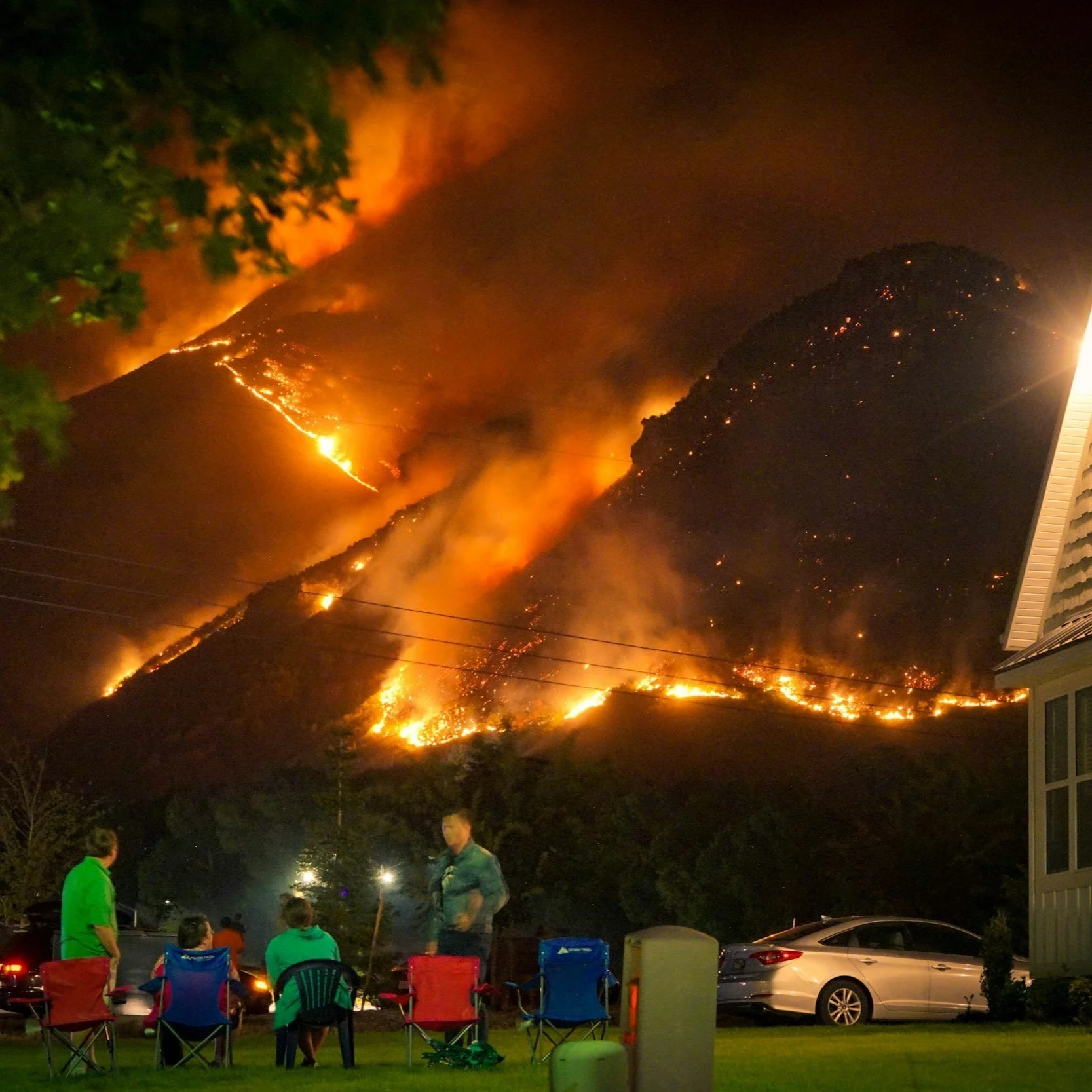
Protecting yourself from wildfire smoke:
Keep track of local air quality reports. Follow local advisories or type in your zip code or location at AirNow.gov.
Minimize time spent outside by keeping doors and windows closed—block gaps where smoky air might enter. Towels are effective for this. Run the air conditioning to help clean the air inside your home. Be sure to close the intake for outside air, so smoke does not enter the house.
Don’t add to the air pollution by burning candles, using the fireplace, frying, or grilling without ventilation. Do not vacuum. This may stir up unhealthy ash particles. And, definitely, avoid cigarette smoke.
When you are outside, wear a high-quality mask. If you go outside during a wildfire, wear an N95 or P100 mask to prevent inhalation of small particles. Use only masks with “NIOSH” printed on them (National Institute of Occupational Safety and Health). The mask should have 2 straps and fit snugly.
Understand the signs of labor and where to get care, if needed. Do not hesitate to seek emergency care (call 911 if it is not safe for you to travel).
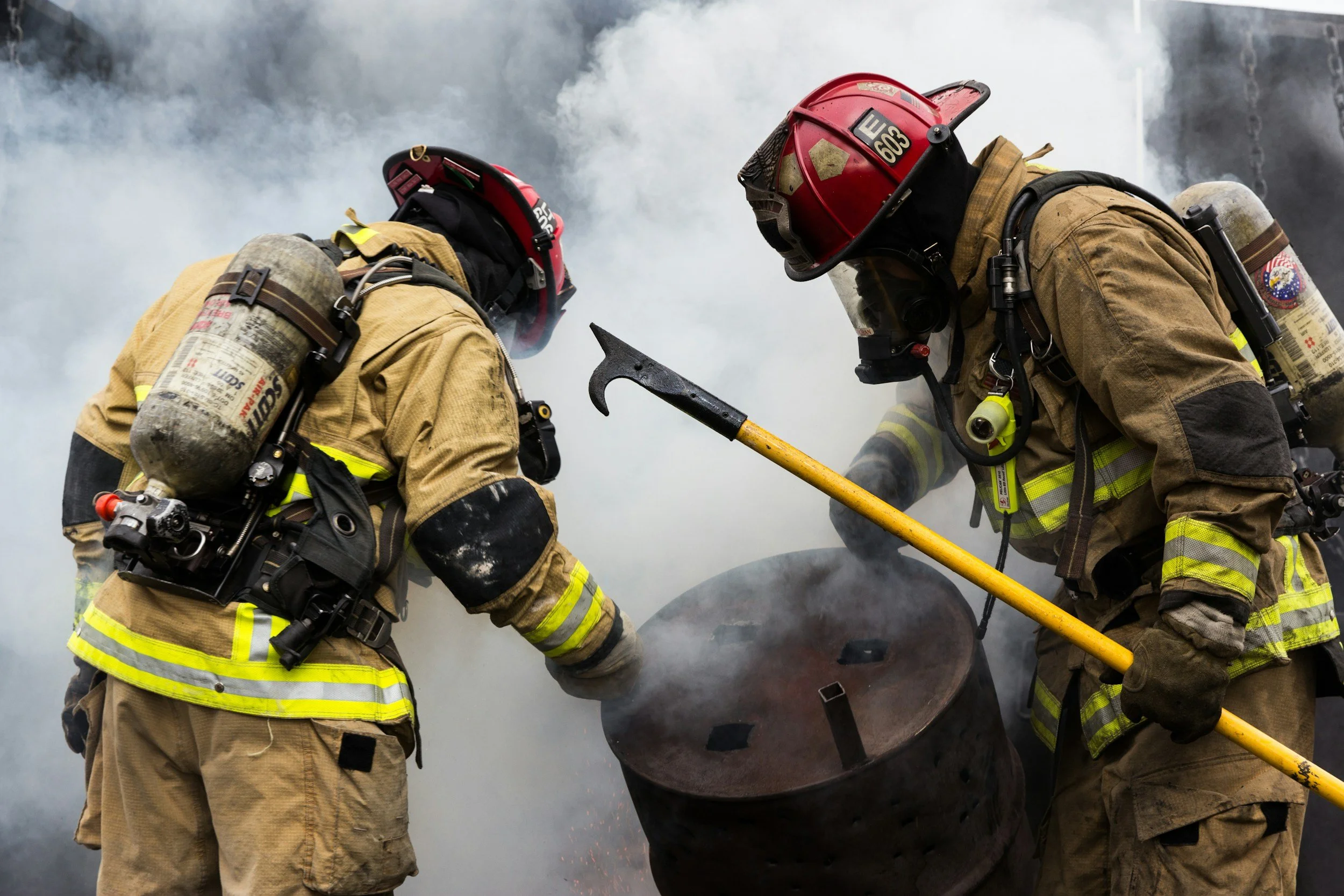
Evacuate your home, if necessary, and especially if smoke is making it hard for you to breathe. Do not return home until it is deemed safe. Smoke may linger long after a wildfire is technically extinguished.2
Wildfire Smoke Can Affect Your Health
Wildfire smoke exposure may cause mild symptoms such as a runny nose, watering eyes, and a headache. Smoke from wildfires may also exacerbate diabetes, heart, and lung conditions. Severe symptoms, such as wheezing, shortness of breath, severe cough, dizziness, chest pain, and abnormal heart rhythm may occur from breathing smoky air. Naturally, events surrounding wildfires can lead to stress and anxiety.
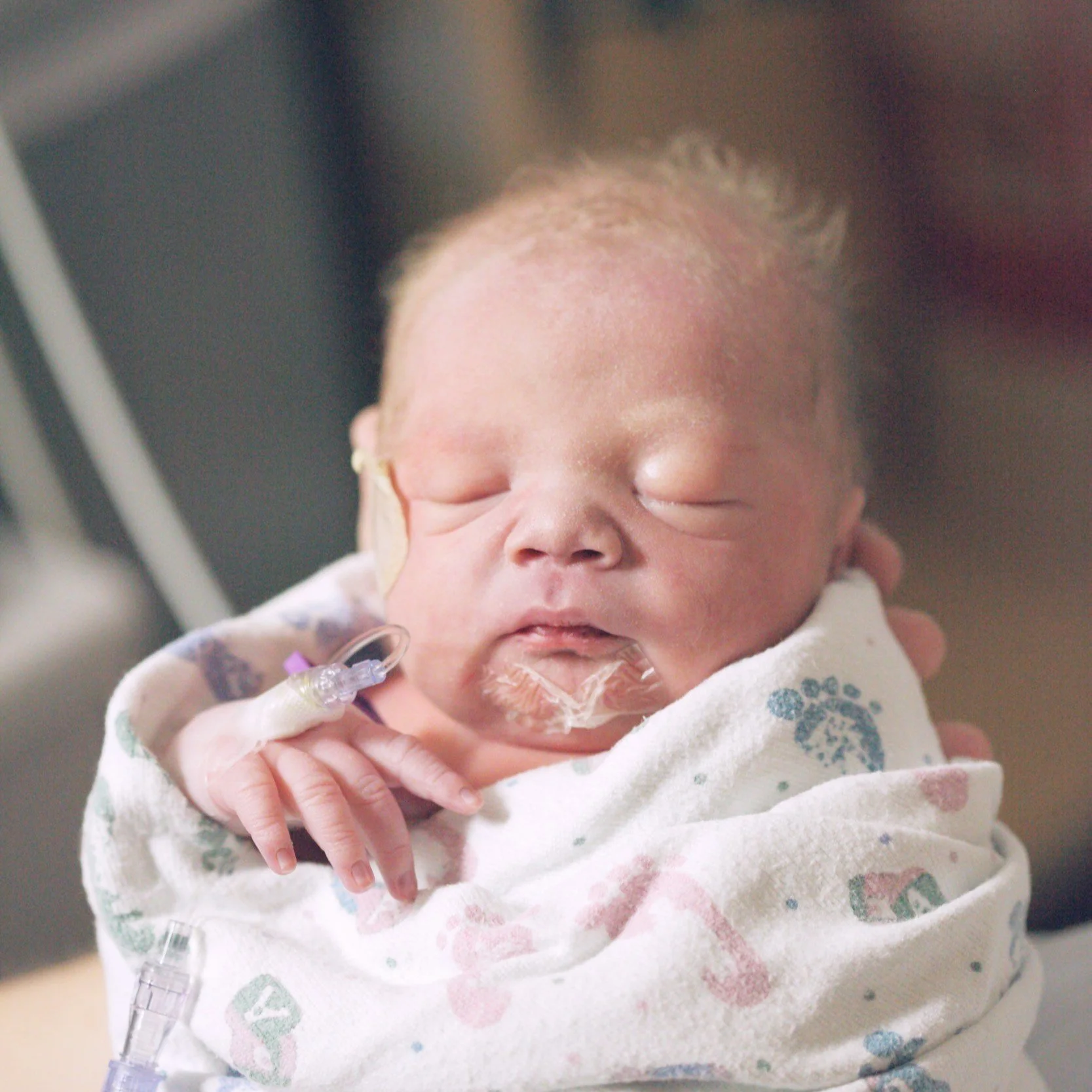
If you are pregnant, inhaling wildfire smoke has been associated with the development of gestational diabetes. For an unborn baby, exposure to wildfire smoke has been linked to:
- increased incidence of preterm birth (higher exposure to wildfire smoke PM2.5 during pregnancy).
- low birth weight
- impaired fetal lung development
- increased respiratory ailments in early life
- The effects of wildfire smoke on pregnancy are not confined to the third trimester; some research has indicated that exposure during any trimester may cause problems.
- congenital disabilities such as cleft lip 3
Pregnancy exposure to PM2.5 from wildland fire smoke and preterm birth in California
Wildfires are a significant source of air pollution in the Western United States (and, of course, Canada), undoing decades of progress in reducing air pollution. The effects of wildfire smoke on preterm birth are not well understood. Preterm birth (<37 weeks) affects approximately 8 % of singleton births in the US and is a significant risk factor for perinatal mortality and morbidity in childhood and adulthood.4 Studies have shown that exposure to high levels of PM2.5 in the second trimester and near the end of pregnancy is most critical for the risk of preterm birth.5
Higher wildland fire PM2.5 exposure overall, or during any trimester, was associated with a higher risk of preterm or early preterm birth. However, for early preterm birth, the association was not significant for exposure averaged over the whole pregnancy or the first trimester. In analyses of exposure by week of pregnancy, wildland fire PM2.5 in nearly any week was associated with increased risk of preterm birth.6
* A limitation of this study was the uncertainty in wildland fire particulate exposure estimates. Despite the use of emissions, meteorology, and chemical transport dispersion models, the uncertainty in wildland fire PM2.5 estimates is greater than for air pollution from most anthropogenic sources because emissions from wildland fires are not as easily measured or quantified as those from smoke stacks or tailpipes.7
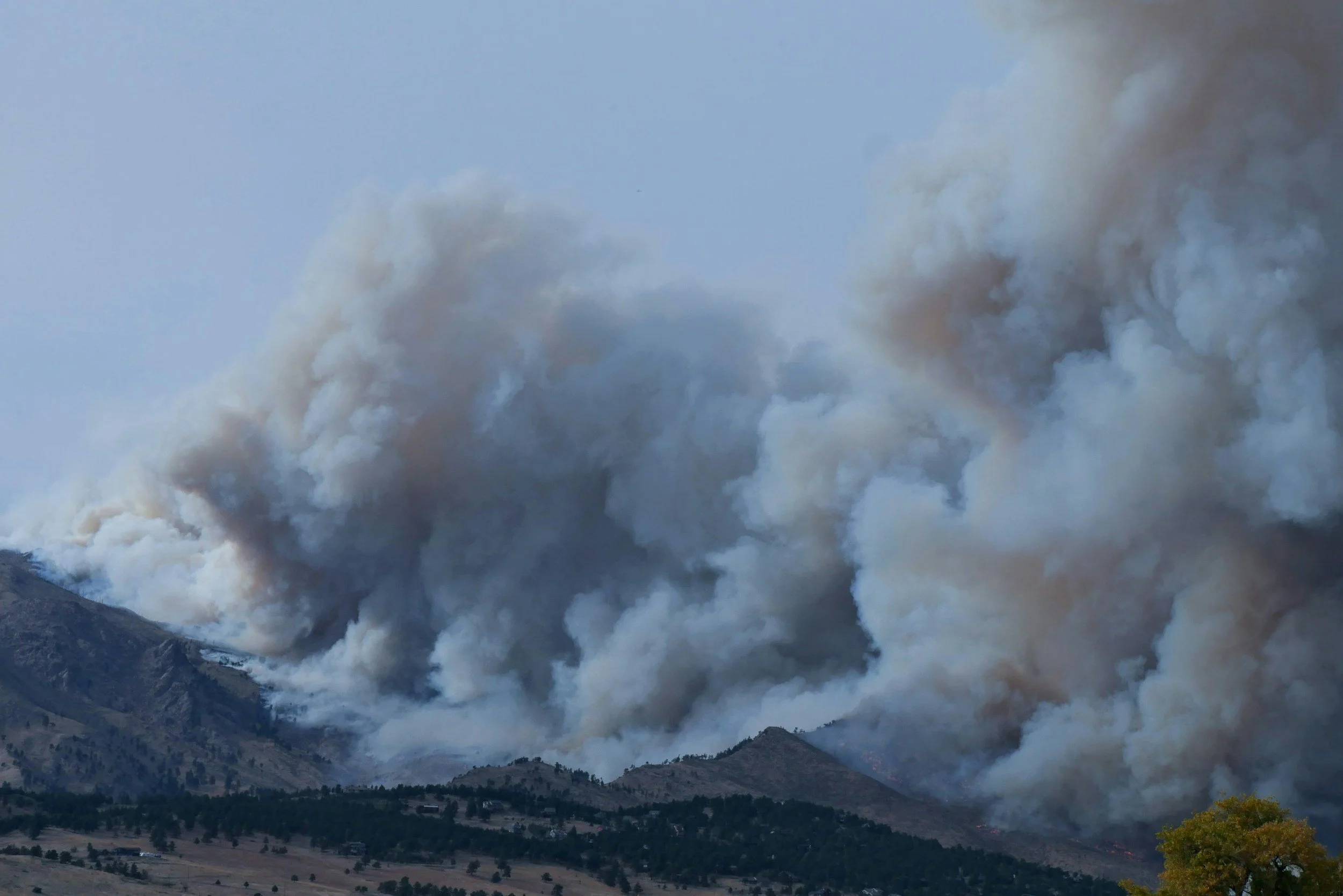
Pregnant People and Infants in US Communities Prone to Wildfire Smoke Often Lack Geographic Access to Care
The US perinatal healthcare system is not prepared to treat patients affected by wildfire smoke in a timely manner, according to the first study on this issue. Smoke plumes generated by wildfires can drift over long distances and may affect nearly every community in the United States, even those far from any fire activity.
Every day, analysts at the National Oceanic and Atmospheric Administration analyze information from satellite sensors to determine the geographic boundaries of wildfire smoke plumes. A group, led by Michel Boudreaux, PhD, gathered available data along with county-level data on demographics, the number of births, the location of neonatal care units and maternity care hospitals, and the availability of OB-GYNS and family practice physicians. (Unfortunately, no CNMs were included), and smoke-attributable measures of PM2.5, a major air pollutant. The variables were averaged over the years 2016 to 2020.8
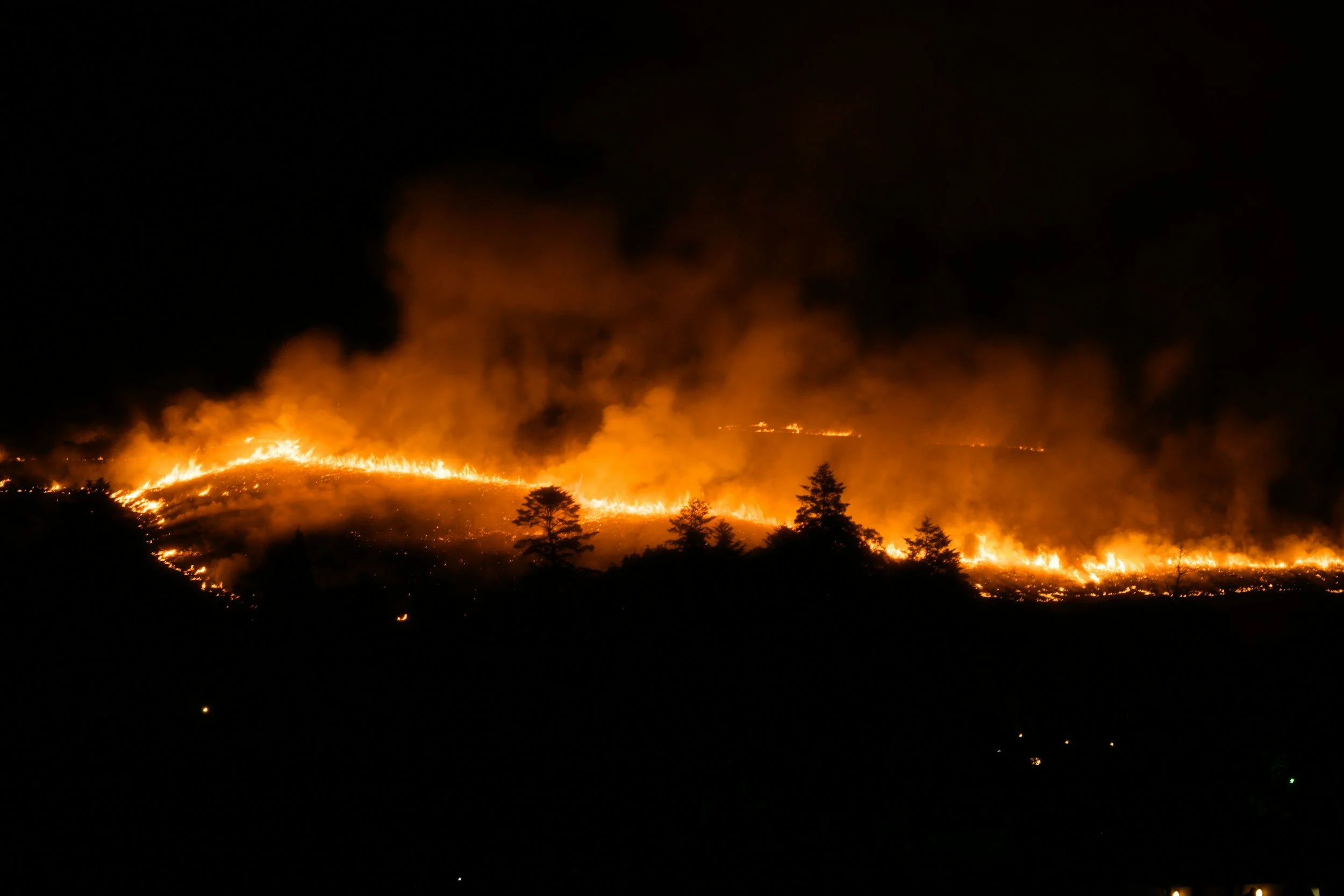
The average number of smoke days ranged from 3.8 in low-risk counties to 15.3 in high-risk counties. Counties on the west coast had the highest numbers (more than 35 days/year in the most affected counties), but the northern Rockies and portions of the Midwest also tended to have an elevated number of smoke days, typically 10-25 days/year. The average PM2.5 concentration was more than twice as high in high-risk counties as in low-risk counties.
On average, during the study period, 7.3 million women of reproductive age lived in the high-risk counties, and 460,496 infants were born to them. In counties with moderate levels of wildfire smoke exposure, the figures were 20 million and 1.1 million.9
Compounding the broad exposure to wildfire smoke, perinatal resource distribution differed significantly according to smoke-risk category:
- Median number of OB-GYNs per 10,000 births – 61 in low-risk counties, 33 in moderate-risk counties, and 0(!) in high-risk counties.
- Median distance to nearest maternity care hospital: 8, 13, and 22 miles

- Median distance to the nearest neonatal intensive care unit: 34, 44, and 72 miles.
Following adjustment for race, age, poverty, no insurance, and rurality, socio-demographic factors typically used to identify underserved areas, these associations were statistically significant. “Communities at high risk of smoke exposure appeared to be particularly constrained, beyond what their other characteristics would predict.
The authors state that “public health measures such as clean air refuges, sealing homes, and distributing respirators and air filters can help patients mitigate the increasing threat of wildfire smoke. Dr. Boudreaux and his team continue: “However, millions of reproductive-age women and their infants are being exposed, and many will need timely treatment. Policy makers and clinicians seeking to meet the challenges of climate change must consider these constraints in devising appropriate responses.”.10
Unfortunately, midwifery expertise was not considered in this study regarding the public health needs of exposed women and children. We know, if policy-makers still do not, midwifery care in all underserved areas, including these, can meet a wide array of critical needs, including timely support for the effects of wildfire smoke on vulnerable maternity populations.
1. Is it safe to breathe smoke from fires during pregnancy? Written by Claudia Boyd-Barrett; medically reviewed by Cheryl Axelrod, M.D., ob-gyn. January 9, 2025
2. Babycenter. https://www.babycenter.com/pregnancy/health-and-safety/is-it-safe-to-breathe-wood-smoke-from-a-fire-during
3. Wildfire Smoke and Your Health. Wildfire Smoke and Pregnancy; BC Center for Disease Control/Provincial Health Services Authority. bccdc.ca/wildfiresmoke.
4. Environment International. ELSEVIER journal homepage: https://www.elsevier.com/locate/envint Pregnancy Exposure to PM2.5 from wildland fire smoke and preterm birth. Sally Picciotto, ShihMing Huang, Frederick Lurmann et al. Division of Environmental Health Sciences, School of Public Health, University of California, Berkeley, Berkeley, CA, USA.
5. Ibid. pg 2
6. Ibid. pg 5
7. Ibid. pg. 6
8. Ibid. Pg. 7
9. Pregnant People and Infants in US Communities Prone to Wildfire Smoke Often Lack Geographic Access to Health Care. by Wolters Kluwer Health: Lippincott. Newswise – May 20, 2025. https://www.newswise.com/articles/pregnant-people-and-infants-in-u-s-communities-prone-to-wildfire-smoke-often-lack-geographic-access-to-health-care
10. Ibid. pg. 2
https://www.midwivesontrial.com
© 2025 Martha Merrill-Hall JD MS CNM