
Tingey Injury Law Firm
Medical-Legal Concepts Affecting CNM/CM Practice
Legal Standard of Care Part 1
Standard of care is a legal term, not a medical or midwifery one. When referring to the quality of care provided in healthcare, Standard of Care is the term used by lawyers, not healthcare providers. It is not unusual to hear healthcare professionals speak of standards of care when they actually refer to standards of practice. When CNMs/CMs consider the quality of care provided in a given situation, it is more accurate for them to refer to standards of practice, such as evidence-based practice, or to the expected practice behaviors outlined by the American College of Nurse-Midwives.
Standards Which Only Apply In Litigation
When speaking of standards of care, this refers to the standards that would apply in litigation, such as a medical malpractice case. States may vary on the language used to describe the standard of care. The legal standard for negligence is “what a reasonable and prudent, or sometimes, ordinary, midwife would do in the same or similar circumstances.
In legal cases, medical/midwifery negligence is measured by a standard that may include individual circumstances of care, such as practice setting, demographics, skill, and education of the healthcare professional/midwife.
Some States define standard of care as the “degree of care and skill of the ‘average’ or ‘ordinary’ midwife, allowing for the knowledge and skill that is available to the nurse-midwife. Another definition of standard of care may be “what the average CNM would customarily do in the same or similar practice setting”. These are examples of how various States may define negligent obstetric or midwifery care. The differences between the “customary” practice of an “average” CNM and the practice of a “reasonable and prudent” CNM become evident in the context of defending liability.[1]

Kelly Sikkema
Who determines the standard of care For litigation?
Physicians, nurse-midwives, and other medical providers who might potentially become involved in a professional negligence case are, understandably, concerned that lay people, i.e., patients, attorneys, juries, and the general public, will interpret “reasonable” or “prudent” care as ultimate, ideal, or perfect care, which is unrealistic and impossible in each case.
Because of these concerns, some States have attempted clarification, describing the medical/midwifery standard as ordinary or average, or “what a reasonably competent and skilled CNM, with a similar background and in the same midwifery community, would have provided under the circumstances that led to the alleged negligence.
Determination of Risk
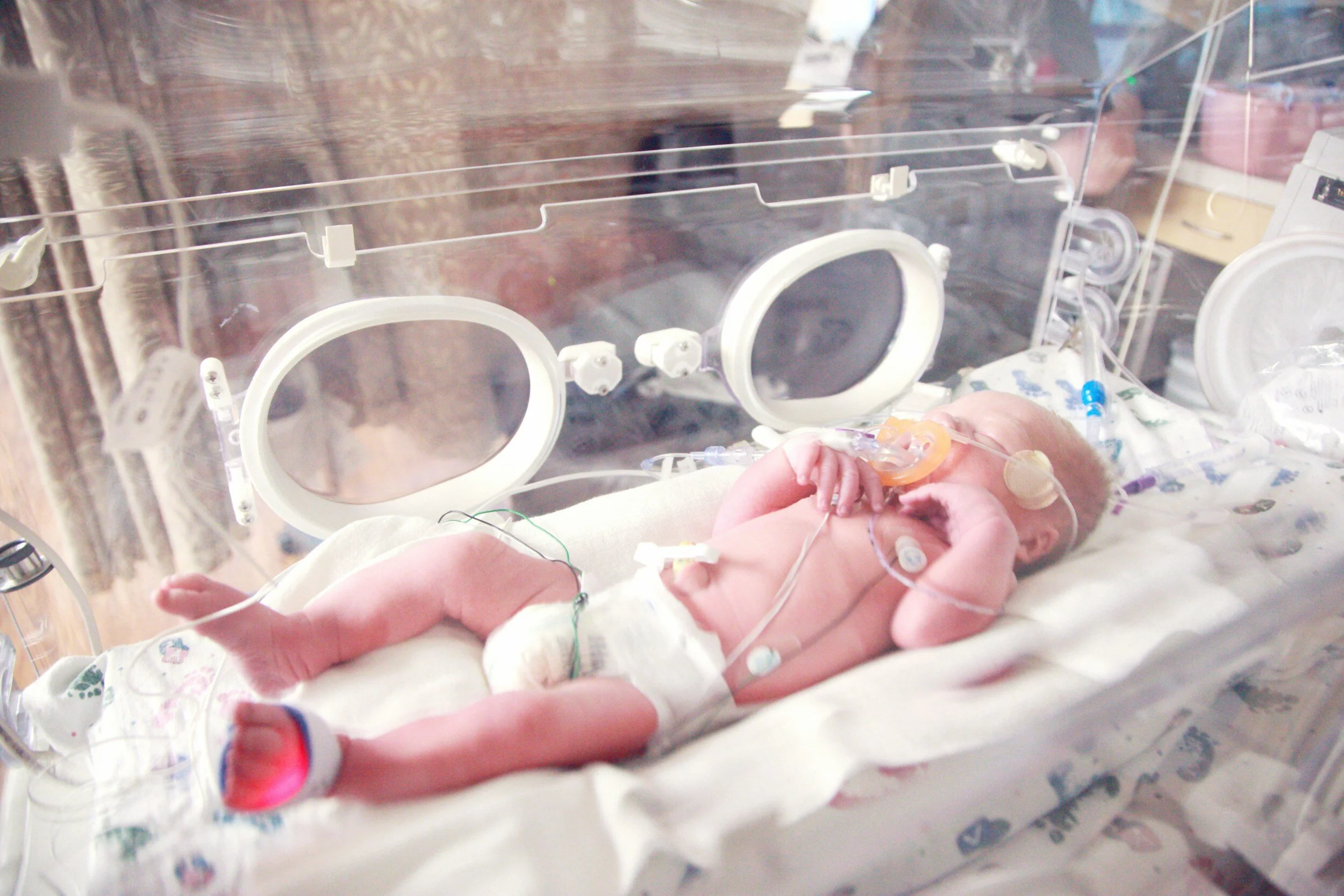
Certified Nurse-Midwives need to be particularly aware of the risks involved with any maternity care or procedure provided to a patient. Despite a CNM’s best efforts, birth outcomes can never be assured or guaranteed. No one can promise the perfect baby or ideal birth. For these reasons, when complications arise or outcomes are not perfect, CNMs may need to defend against a patient’s conclusion that they received improper or unreasonable care.
Bad outcomes in the realm of maternity care and birth can be particularly tragic because they involve relatively young women and newborn babies. While complications of maternity care can result from CNM/CM negligence, expectations of what constitutes reasonable care may lead to negligence being automatically assumed. Again, States are trying to set a standard of medical and midwifery care similar to the legal standard for negligence (coming up in future articles).
State Legislative Language
To clarify how State legislatures use different language to establish a medical/midwifery standard of care, I will begin by explaining my rules for comprehending legislative writing. First of all, in order to be an effective drafter of legislation, an individual must be able to think and write in the most obscure, opaque, and generally incomprehensible way. One must also cultivate a talent for constructing the longest sentences known in the universe. If you do not have a pounding headache after some light legislative reading, you did not understand it and should read it again.
One State’s definition of standard of care might be this: What a reasonable and prudent CNM would do in the same or similar circumstances. The ACNM practice standards are brilliantly crafted to apply in all care settings. For example, let us compare a CNM home birth with a CNM hospital birth. Starting with this, we have two different circumstances (settings), but consider them different only in the context of “physical” circumstances and the potential that can occur in these settings. Regarding the necessity for resuscitating a newborn at home, CNMs/CMs are intensely educated and will establish a plan and have equipment in place for basic newborn resuscitation. In addition, plans for expedient ambulance transport will be activated, if necessary, to a prepared and willing receiving hospital nearby. These plans are acceptable and conform to CNM standards of practice, though they have certain limitations.
Regarding hospital births, midwives have readily available neonatal nurse practitioners, neonatologists, or a neonatal intensive care unit. Accept that CNM's reasonable conduct in both of these scenarios is consistent with the ACNM Standards of Practice.
Defining Standards of Practice
When defining standards of practice, it can be successfully argued that settings/circumstances may differ, but the ACNM Standards do not. Every standard competency and ethical consideration applies to CNM care, regardless of setting. The standard for the home-birth midwife is the same as for the CNM delivering at the best-equipped hospital in town. Nurse-midwifery care in the home, in itself, does not represent a breach in the CNM standard of practice. Circumstances alone cannot establish the competence/level of care provided. The standard of care/practice will be determined by the CNM’s conduct, including appropriate disclosure, rescue plans, preparation, and support in the circumstances. All are consistent with the ACNM Standards of Practice.
Another argument might be raised that home delivery is inherently more risky than in a modern hospital (although statistics have not borne this out). The professional conduct of the CNM/CM includes full disclosure to a patient/family regarding what can and cannot be done in a certain set of circumstances, and providing an informed analysis of risk will be in total compliance with ACNM standards of practice.

unnspl img
Determining A Reasonable Plan For Safe Delivery
Differing circumstances or settings for a birth should not matter for CNM/CM care if the nurse-midwife adheres to reasonable conduct and to plans for safety, standards of practice, core competencies, ethics, and attention to the essential documents of the ACNM. However, conducting a delivery in what would be considered unreasonable circumstances, such as a tree-house birth during a high wind, might convince a midwifery expert witness to testify that a midwife had acted against what would be considered reasonable conduct, and a breach in the standard of practice had occurred.
Consider, also, that a higher level of care does not necessarily mean a higher standard of care/practice. Circumstances, potentially envisioned in State legislation, may depend on a couple’s decision about the amount of risk they believe is acceptable. Important behavior for the CNM/CM in any potential birth scenario is to diligently inform her clients, explain known or likely problems, how these will be handled in the circumstances, and carefully document the delivery plan of care and the analysis of relative safety.
There are never guarantees, in any setting, but thorough documentation that all reasonable efforts have been made to rule out or prepare for known or foreseeable risk, and establishing a reasonable rescue plan (for home birth/birth center settings) will be consistent with standards of practice. Disclosure and informed consent documentation can be protective for all individuals involved, regardless of birth setting.
http://www.midwivesontrial.com
© 2024 Martha Merrill-Hall JD MS CNM