Contact
If you see something that needs clarity or think a topic deserves deeper treatment, Martha would appreciate hearing from you: [email protected]
Safeguarding modern midwifery
Have a question, correction, or case insight to share? We’d like to hear from you.
Why midwives & counsel read
Contact
If you see something that needs clarity or think a topic deserves deeper treatment, Martha would appreciate hearing from you: [email protected]
Articles
Legal insight, real-world lessons, and grounded guidance for everyone involved in CNM/CM practice.

During the process of litigation, there is a designated time period when plaintiffs, defendants, and certain other participants will exchange discovery documents.
Obstetrical claims are the largest source of indemnification payments made by hospitals and insurance companies. Attorneys for Plaintiffs will emphasize a care provider's failure to anticipate the occurence of a non-routine event; like Shoulder Dystocia. The defense will insist that the injuring event is unpredictable and, therefore, unpreventable.

From the time that midwives stepped foot on the labor units of American hospitals, there has been an ongoing tendency toward conflict and miscommunication between nurses and midwives existing together in the magical world of childbirth.

In the savage world of litigation, lawsuits filed without a factual basis in law, or lacking good faith, are regarded as frivolous. In the context of serious harm, death, and damages, this is a particularly ridiculous adjective to describe claims that are serious and potentially damaging. If there are legitimate injuries and reasonable claims, a negligence filing is not frivolous.

Many Certified Nurse-Midwives and Certified Midwives will seek employment with hospital corporate systems that may be new to them.
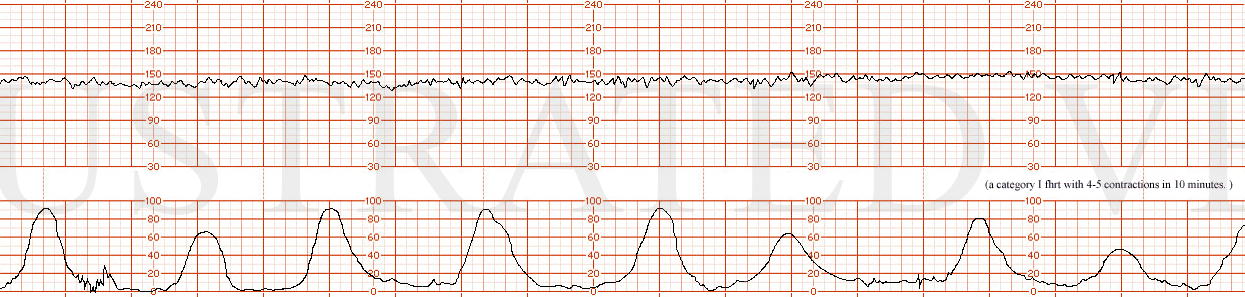
In 2013, a consensus of 18 authors (including a CNM,JD) came together and developed an algorithm for the management of Category II fetal heart tracings.
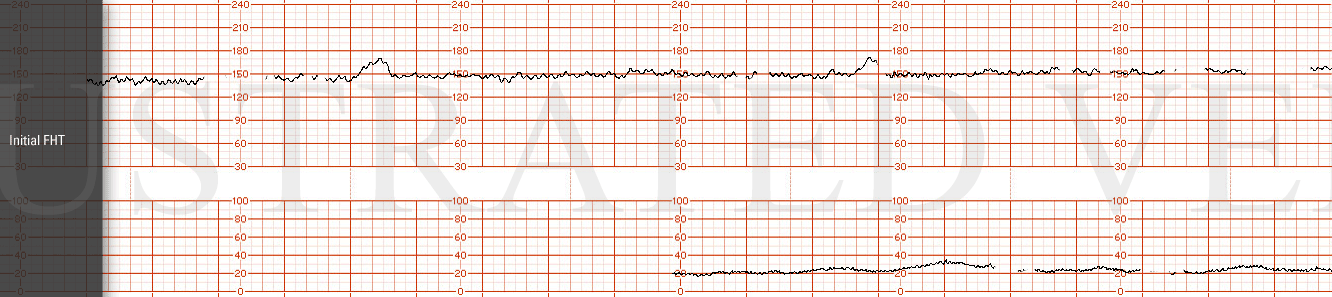
Electronic Fetal Monitoring: Management and Standard of Care Part 2
What Should We Do With Category 2?
For better or worse, electronic fetal monitoring has become a mainstay of fetal surveillance. Due to legal issues relating to failures in recognition and intervention with electronic fetal monitoring, several national associations have defined "graded categories" of tracing abnormalities, along with recommendations for interventions specific to the various categories. (Cat I,Cat II,Cat III.1
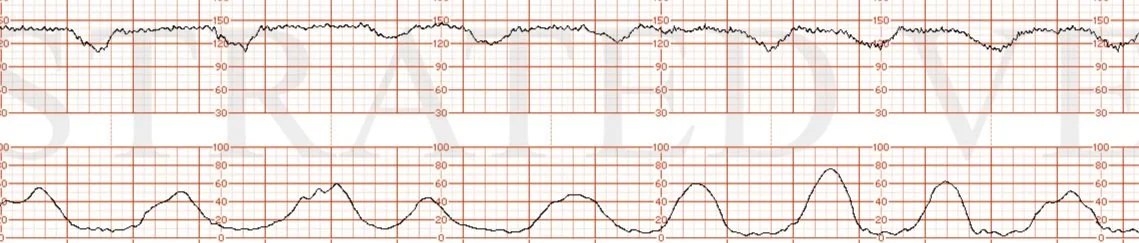
Electronic Fetal Monitoring: Management and Standard of Care (Part 1)
What Should We Do With Category II?
AFFIDAVIT OF EXPERT WITNESS
My name is John W. Jones, M.D. I am a physician in active practice in the area of Obstetrics and Gynecology. I am qualified as an expert by virtue of my knowledge, skill, experience, education, and training peritnent to the issues raised in this affidavit and I am

The American Medical Association is having another moment, recently pushing back over proposed legislation which would expand the scope of practice for "non-physicians". When physicians' perch at the top of the vertical health care hierarchy began to wobble, the American Medical Association, in its physician advocacy role, went on the attack.

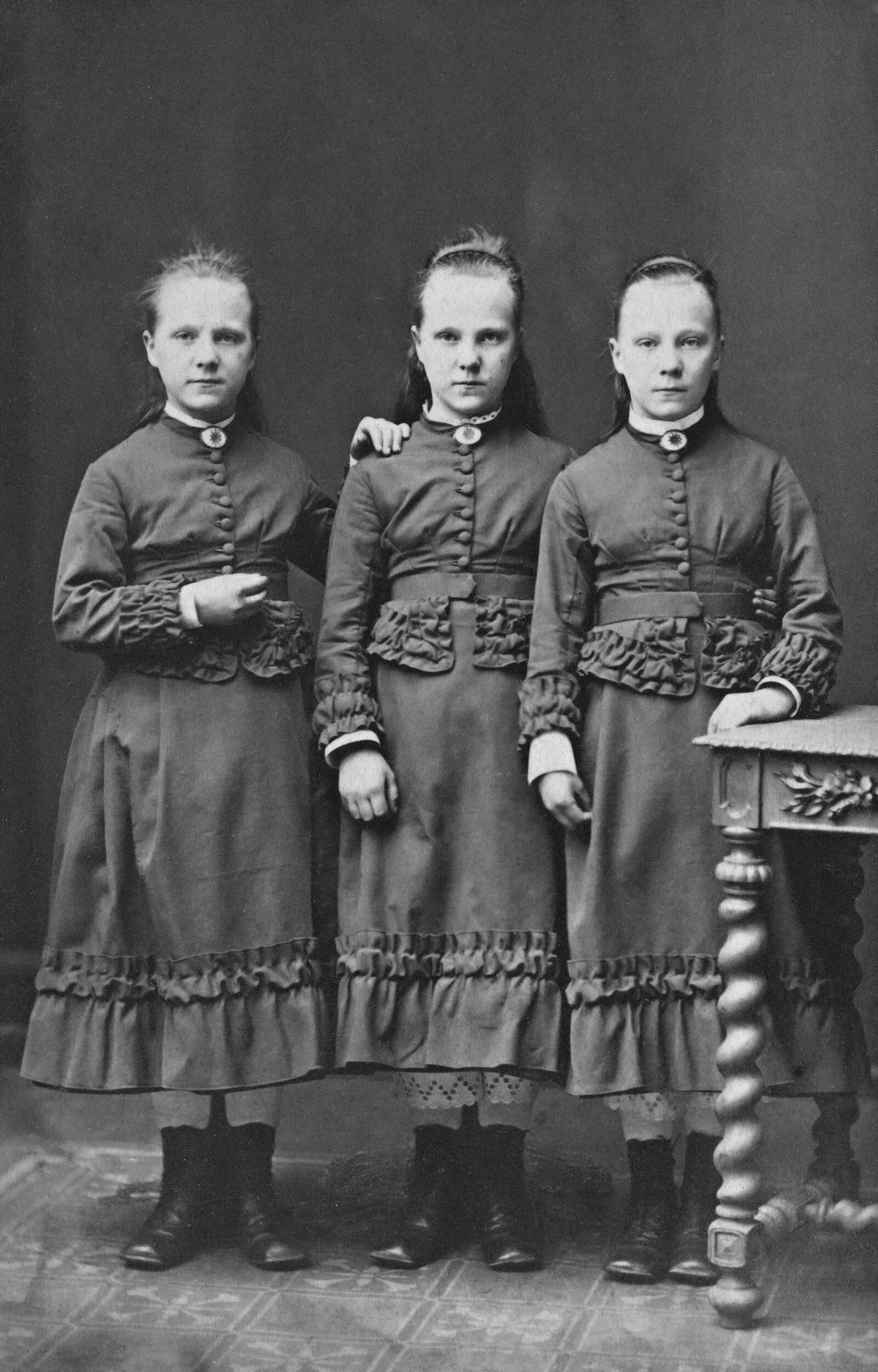
Campaigns against midwifery, starting at the beginning of the 19th century, set the table for strained relationships between physicians and midwives, which persist to the present time. Anti-midwifery sentiments, enhanced by the attitudes of J. Whitridge Williams and Joseph Bolivar DeLee*, ushered in the age of obstetrics and scientific medicine which were considered the only modern and realistic choice for safe and healthy childbirth in America.[1]
Myth of the Ordinary Midwife Part 1
In deposition for a professional negligence lawsuit against a Certified Nurse-Midwife (CNM), the examining attorney’s opening question to the midwifery expert witness was this:
Attorney: Do you know what the learning and skill is expected of an ordinary midwife, yes or no?
Expert: Sir, I don’t know what an ordinary midwife is.
Legal Terms Pertaining to Litigation
Affidavit: A written statement made or taken under oath before an officer of the court (attorney) or a notary public or other individual authorized to act.
Page 7 · 73–84 of 112