Contact
If you see something that needs clarity or think a topic deserves deeper treatment, Martha would appreciate hearing from you: [email protected]
Safeguarding modern midwifery
Have a question, correction, or case insight to share? We’d like to hear from you.
Why midwives & counsel read
Contact
If you see something that needs clarity or think a topic deserves deeper treatment, Martha would appreciate hearing from you: [email protected]
Articles
Legal insight, real-world lessons, and grounded guidance for everyone involved in CNM/CM practice.

“ Why would
anyone
want to go to a midwife?” These were the first words from a physician in-law on the day we met. I was accustomed to a different question: “Why did you
want
to be a midwife?”


Situation
Unfortunately, the long history of friction between CNMs and RNs on labor and delivery will probably not resolve any time, soon. Accept that this dysfunctional dynamic may remain inherent in the culture of care on many L&D Units. Unhealthy cultures of care transcend State lines and territorial boundaries, capable of reaching every hospital labor and delivery unit in the United States.

One well-documented aspect of work stress that destroys a sense of well-being and confidence for hospital midwives is the aura of hostility and disrespect toward midwives on many labor and delivery units.

Medical and Midwifery Burnout - Part 1
Unfortunately, striving for our professional place in healthcare may come with a steep price, not the least of which is basic recognition. Forget gratification or peace-of-mind. Burnout in healthcare has been documented for years. Signs and symptoms include: exhaustion, depression, work-life conflict, diminishing joy, and physical and mental stress, to name just a few. We all know what it is.

There are two areas of the law in the United States, Criminal Law and Civil Law. Criminal law applies to legal issues in the public sector, and civil law applies to violations in private matters, typically between individuals.

For many years, some personal injury attorneys’ websites have advertised for business in varying forms of media, attempting to alert and attract those clients who may have suffered injuries at the hands of medical professionals. Midwives have always been a popular target since the profession is frequently maligned and misunderstood. What better profession to target when mining for potential economic windfalls?

Years ago, I worked in a hospital-owned and administrated Certified Nurse-Midwifery group. Practice meetings occurred, periodically, to discuss administrative concerns and other pertinent issues regarding patient care in our clinic. One particular meeting was assembled to meet and welcome a new hospital CEO who was making rounds on the various clinics and departments. Executives had a tendency to come and go in this hospital so these meetings were not a new experience for our group. I have no clear memory of other meetings that I attended, but this one stands out.
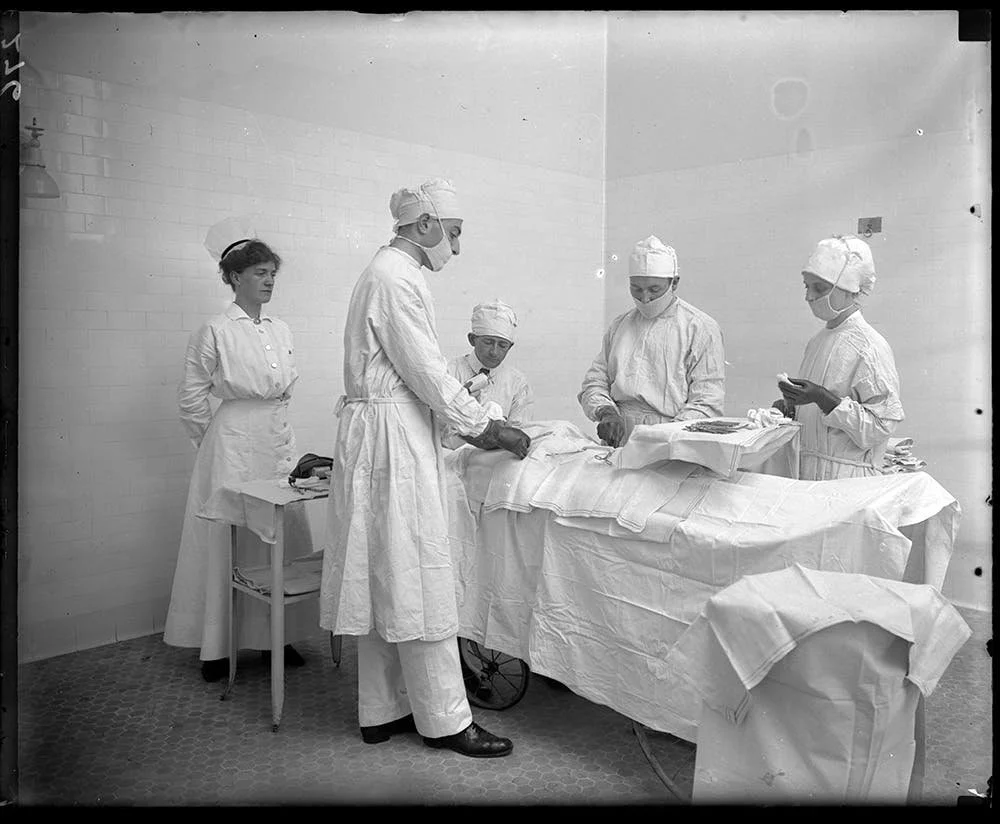
Nurse-Midwifery was introduced to the United States from England in 1926 in response to a need for maternity services in the Appalachian Mountains of Kentucky.

Awareness of Legal Risk In Midwifery Practice
When any of us embark on a career, especially in the healthcare professions, we do not expect to spend time in a courtroom, someday, accused of negligence and forced to defend the care we have provided. I do not support a position that the risk of being sued for medical or midwifery negligence should be, obsessively, on our minds.

Countless serious medical errors can occur everyday in practice despite knowing that what we are doing is wrong. Egregious errors, committed by even careful and committed professionals, may be habitual, normalized over time, and dangerous.

As Certified Nurse-Midwives and Certified Midwives, many of us in hospital practice have been present for our patients who have spontaneously miscarried or the pregnancy failed weeks before a significantly pre-term fetus could possibly survive outside of its mother's womb.
Page 6 · 61–72 of 112