Contact
If you see something that needs clarity or think a topic deserves deeper treatment, Martha would appreciate hearing from you: [email protected]
Safeguarding modern midwifery
Have a question, correction, or case insight to share? We’d like to hear from you.
Why midwives & counsel read
Contact
If you see something that needs clarity or think a topic deserves deeper treatment, Martha would appreciate hearing from you: [email protected]
Articles
Legal insight, real-world lessons, and grounded guidance for everyone involved in CNM/CM practice.

Affirmative Duty Documentation:
- Complications and emergencies requiring management by the health care team, if one exists.
- Timely and appropriate action of the care team.
- Identification of personnel contacted, their title, data reported, changes in patient status, what was requested, and outcome.

If you began your midwifery journey in Nursing School, you are familiar with documentation; paper and electronic. Although medical, nursing, and midwifery documentation was strictly paper for many decades, the current recording of patient care is with the electronic record aka EMR.

During the course of a vaginal birth, a baby's shoulder can get caught on the mother's pubic bone, preventing the body of the baby to proceed down the birth canal for delivery. When this occurs, it is the result of shoulder dystocia.

All events that are associated with a shoulder dystocia must be carefully recorded in the medical record. Appropriate documentation allows an accurate record of what happened during the delivery, especially for attorneys and experts to review retrospecitvely, but also for reviewing your own experience.

Aside from the field of Obstetrics, no other specialty in medicine or nursing must attend to two patients at once; one or more contained within the body of the other.
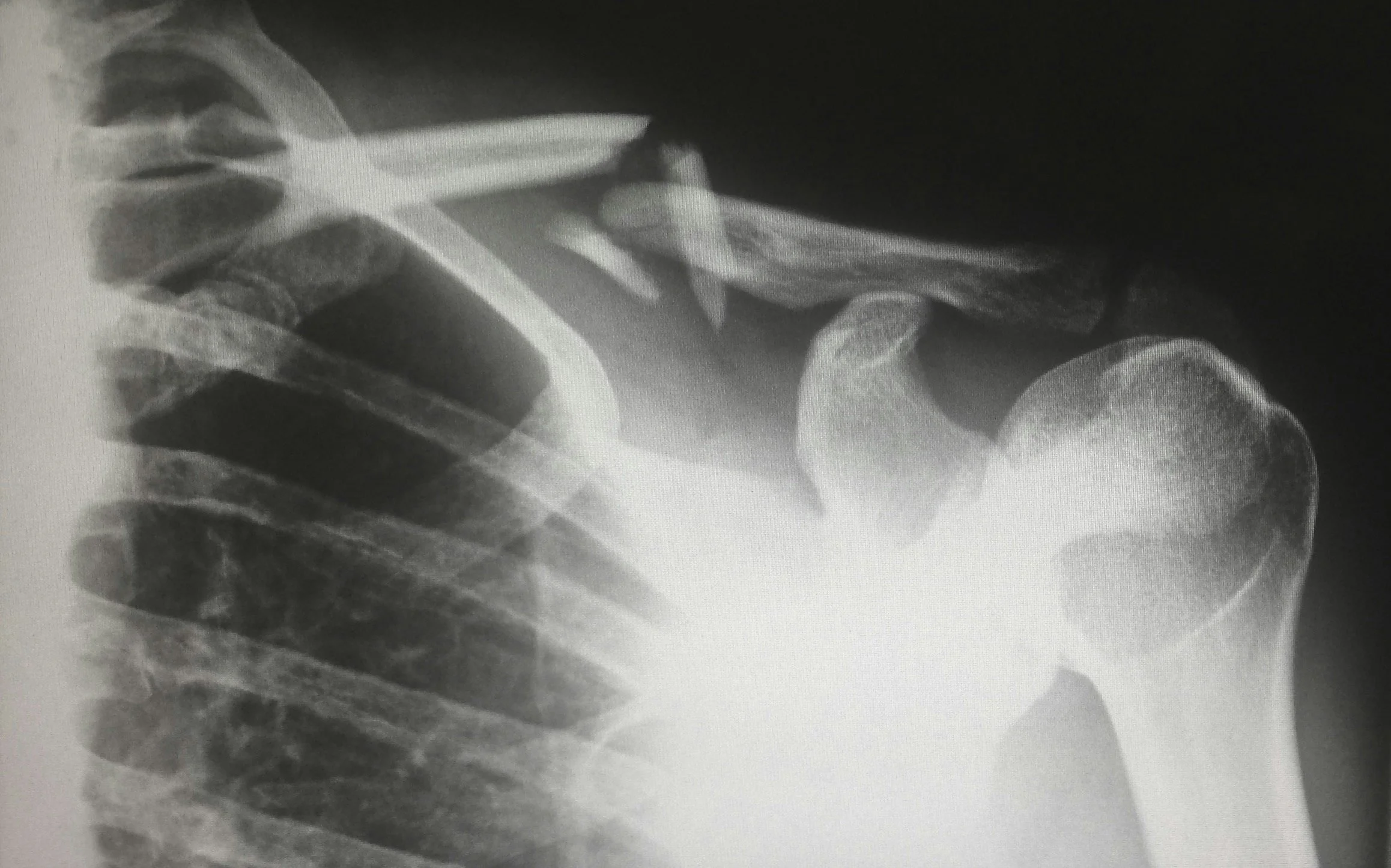
In the midst of a profusion of shoulder dystocia papers and publications, there is a notable absence of discussions regarding what is arguably the most effective, and least damaging, maneuver to relieve shoulder dystocia.

HIPAA
When viewing this article, you may have the urge to skip it altogether and I can relate to your motivation. Anyone who has practiced or been employed in healthcare since 2003, has been thoroughly indoctrinated in HIPAA and what it represents. Either as a patient, or as a provider, HIPAA blurs our vision with its complex, legislative demands and potential penalties if we falter. Without delving too deeply into its complexities or inducing catatonia, the basics of HIPAA do deserve review in order to remind us all of the importance of this legislation and its relevance to midwifery practice.

A couple whose baby was taken away by the state after they chose to have their midwife treat the child for jaundice instead of taking it to the hospital filed a lawsuit against the Texas Department of Family and Protective Services.

Variations are appreciated and expected when encountering competing research findings. Women will always labor outside of research expectations, despite best practices and the predictions of labor models.

In the midst of enthusiasm and medical society endorsements for the data of Jun Zhang et al, the Friedman data do remain scientifically viable and legal for triage evaluation purposes. Admitting a patient at 4 cm is very unlikely to expose a triage midwife to an EMTALA violation, or even a civil claim for negligence, as long as a proper screening or labor evaluation is performed and documented.

In June of 2024, hearings concluded in a lawsuit against a 2019 law that established strict guidelines for midwifery care in Hawai’i. The suit challenged restrictions placed on the type of licensure midwives in Hawai’i needed in order to practice.

In American criminal law, Double Jeopardy protects a defendant from being punished twice for the same offense.1 In civil law, which governs malpractice in healthccare, defendant midwives can be punished twice for the same offense. Although the criminal version of Double Jeopardy does not apply in civil cases, the term is defined as “a risk or disadvantage incurred from two sources”
Page 3 · 25–36 of 112