
User’s Guide To Certified Nurse-Midwifery (CNMs),CertifiedMidwives(CMs) and Certified Professional Midwives(CPMs)
As defined by the American College of Nurse-Midwives (ACNM), midwifery as practiced by CNMs and Certified Midwives (CMs) encompasses a full range of primary health care services for women from adolescence to menopause. Services include the independent provision of primary care which is unrelated to childbearing, gynecologic and family planning services, preconception counseling, care during pregnancy, childbirth and the postpartum period, care of the normal newborn during the first 28 days of life, and treatment of male partners for sexually transmitted infections.
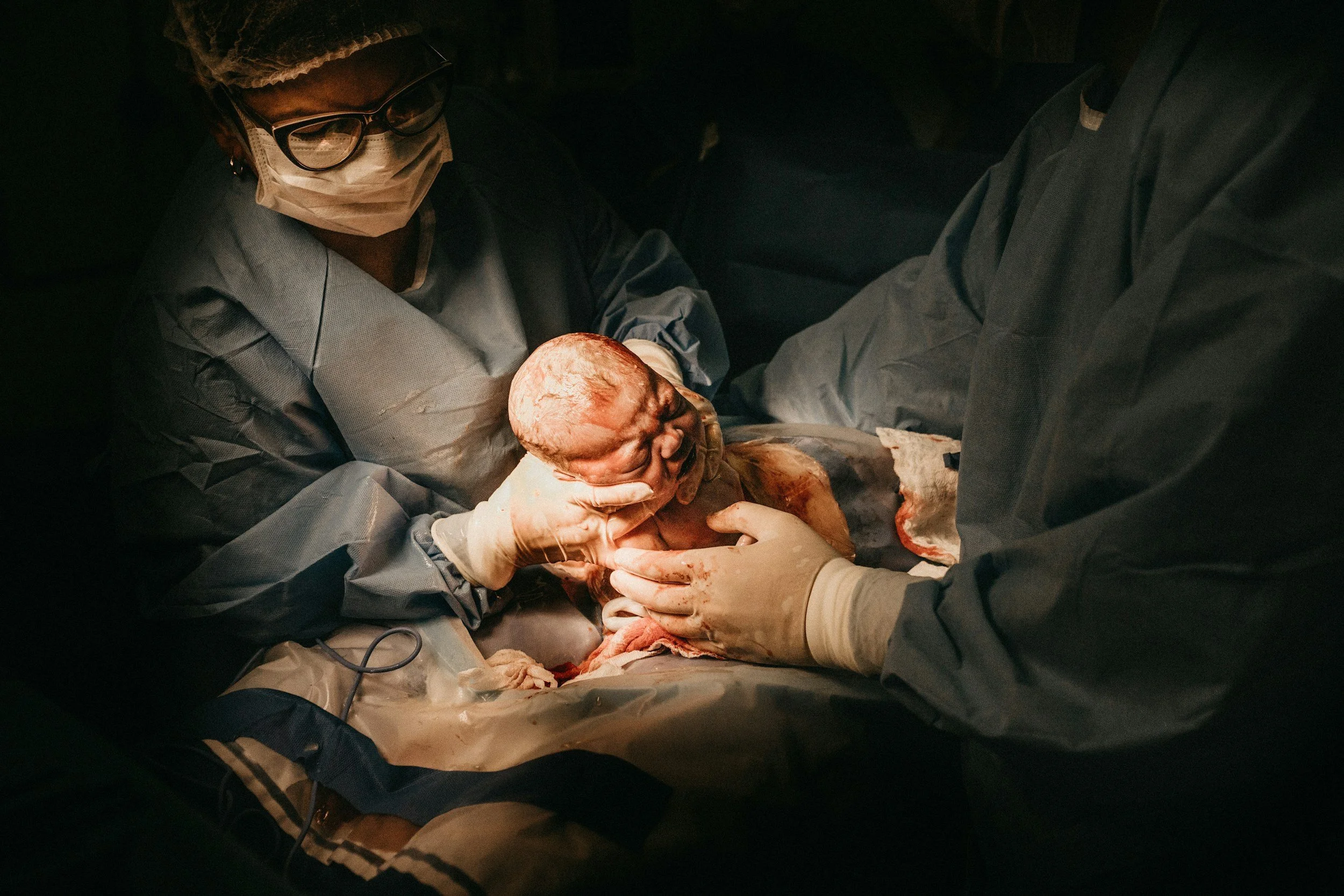
unsplash-image
What Can Midwives Do?
CNMs/CMs provide initial and ongoing assessment, diagnosis, and treatment for their clients. Midwives conduct physical examinations, prescribe medications, including controlled substances, and contraceptive methods. CNMs/CMs admit, manage, and discharge patients from the hospital, order and interpret laboratory and diagnostic tests, and order the use of medical devices, if required. CNM care also includes health promotion, disease prevention, and individualized wellness education and counseling. These services are provided in partnership with women and families across a variety of settings, including ambulatory care clinics, private offices, community and public health systems, homes, hospitals, and birth centers. Most midwives in the United States are CNMs. In February of 2022, there were 13,524 CNMs and CMs. In 2019, CNMs/CMs attended 372,991 births, 10.3% of total U.S.births.[1]
How Are Certified Nurse-Midwives Safer?
A Certified Nurse-Midwife is educated in the two disciplines of nursing and midwifery and possesses evidence of certification according to the requirements of the American Midwifery Certification Board (AMCB) and the American College of Nurse-Midwives. Approximately 84% of CNMs have a Master’s degree, and 20% of CNMs have doctoral degrees, which is the highest proportion for all advanced practice nursing specialties. Since 2010, a graduate degree has been required for entry into midwifery practice as a CNM/CM.[2] Certified Nurse-Midwives and Certified Midwives practice within healthcare environments that allow for physician consultation, if mandated or necessary, collaborative management with other healthcare professionals, and/or referral, as indicated by the health status of the client.
Are Nurse-Midwives Legal?
CNMs are legally authorized to practice primary (non-gynecologic/non-pregnancy related) care in 19 states and reproductive care in all fifty States, the District of Columbia, and U.S. Territories. In most States, CNM practice is regulated by statutes, Boards of Nursing, and Medical Practice Acts, alone or in combination. A few States regulate midwifery practice through specially designated Midwifery Boards. In 2019, 89% of CNM/CM-attended births occurred in hospitals, 9% occurred in freestanding birth centers, and 8% occurred in homes. Medicaid reimbursement of CNM care is mandatory in all States. Most Medicaid programs reimburse CNMs/CMs at 100% of physician rates. Medicare reimburses CNMs at 100%. Most States also mandate private insurance reimbursement for CNM/CM services.[3]
Certified Midwives (CMs):

unsplash-image
A Certified Midwife is an individual educated in the discipline of midwifery who possesses evidence of certification according to the requirements of the American College of Nurse-Midwives. The difference between a CM and a CNM is that CMs enter the profession of midwifery from backgrounds other than nursing. For instance, a CM candidate may apply to an ACNM-accredited midwifery educational program with a bachelor’s degree in psychology, anthropology, art history, or any number of other majors granting a bachelor’s degree.
Currently, the CM credential is recognized in 11 States and the District of Columbia. Previously, because most States regulate midwifery through Boards of Nursing, only States with Midwifery Boards established outside the profession of nursing licensed non-nurse midwives. This is changing, and more State nursing boards have begun to license CMs. While this is beneficial for CMs who had been confined to practice in only a few States, this potentially presents issues when CMs are involved in disciplinary board actions where CM conduct may be assessed and evaluated by board-appointed nurses, not other CMs. ACNM continues to work toward establishing legislation in other States which would allow CMs to practice midwifery.
Certified Professional Midwives (CPMs):
According to the Midwives Alliance of North America, a CPM is certified to practice through the North American Registry of Midwives (NARM). Certification does not require an academic degree, but is based on demonstrated competency in specified knowledge and skills. Minimum educational requirement is a High School Diploma or its equivalent. Where licensing is available, CPMs are licensed by the State in which the midwifery practice occurs. CPM is a U.S. midwifery credential, first issued in 1994 by NARM. NARM requires that the clinical component of CPM education include at least 55 supervised births across three categories. Midwifery, as practiced by CPMs, offers expert care, education, counseling, and support to women and their families.

unsplash-image
The majority of CPMs attend births in homes and birth centers. CPMs do not maintain prescriptive authority, but certain States may allow them to administer certain medications. All applicants for State licensure must also submit evidence of current adult CPR and completion of a Neonatal Resuscitation course with certification from the American Academy of Pediatrics. CPMs are licensed in 35 States and the District of Columbia. Recertification for CPM practice is every three years.
Direct Entry Midwives a.k.a. Lay Midwives:
The majority of direct-entry midwives in the United States are unlicensed CPMs, who emphasize that they are specialists in birth outside the hospital, particularly in homes and at freestanding birth centers. They are the only U.S. birth attendants whose education and training focus specifically on out-of-hospital birth settings. CPMs currently practice legally in 35 states. Direct-entry midwives may or may not hold the CPM credential and may practice outside state regulation.[4]
[1] American College of Nurse-Midwives Definition of Scope of Practice of Certified Nurse-Midwives and Certified Midwives.
[2] Accreditation Commission for Midwifery Education.
[3] Martin JA, et.al. Births: Final Data for 2014. National Vital Statistics Reports; Vol 64. No. 12. Hyattsville, MD: National Center for Health Statistics. 2015.
[4] National Association of Certified Professional Midwives; May 2019//
http://www.midwivesontrial.com
© 2025 Martha Merrill-Hall JD MS CNM